- Published on
Unpacking the Danger: Snow Squall Warnings and Why These Sudden Winter Events Are So Treacherous
- Authors

- Name
- Juno Ryelie
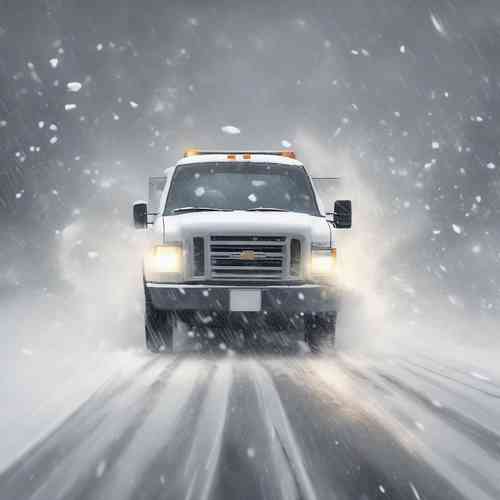
Unpacking the Danger: Snow Squall Warnings and Why These Sudden Winter Events Are So Treacherous
Snow squalls are among winter's most deceptive and dangerous phenomena, capable of transforming clear roads into hazardous whiteouts in mere minutes. Unlike prolonged blizzards, these intense, short-lived events demand immediate attention, often catching motorists unprepared. Grasping the definition of a snow squall and knowing how to respond to a snow squall warning is critical for winter safety, especially as unpredictable weather patterns continue to challenge communities.
Quick Context: Sudden Whiteouts Grip the Midwest
Recently, communities across the Plains and upper Midwest, including Kansas City and Omaha, confronted the immediate dangers posed by snow squalls. The National Weather Service (NWS) issued critical warnings, highlighting the rapid onset and extreme conditions these events can bring. These alerts underscore a growing need for public awareness regarding these distinct and highly perilous winter weather incidents, which can strike with little advance notice and devastating consequences for travel and safety.
Surprising Fact: Speed of Deterioration
During a recent event in the Kansas City area, the NWS specifically warned, "Travel will become difficult and potentially dangerous within minutes." This highlights the exceptionally rapid deterioration of conditions, a hallmark of snow squalls that often leaves little time for drivers to react.
Key Statistic: Extreme Visibility Reduction
Reports from the NWS Chicago office during a fast-moving squall on January 14, 2026, indicated visibility plummeted to "100 feet or less at times," accompanied by wind gusts reaching 40 to nearly 60 mph. Such conditions are akin to driving blind, explaining the high incidence of accidents.
What You Need to Know: Defining the Threat
A snow squall is an intense, short-lived burst of heavy snow and strong winds, often associated with a potent cold front. Unlike a full-blown winter storm, snow squalls typically last less than an hour and result in only minor snow accumulation. However, their peril lies in the swift and dramatic reduction in visibility, often leading to whiteout conditions, combined with gusty winds and rapidly dropping temperatures. These elements together can create exceptionally hazardous driving conditions, making even short journeys extremely perilous.
Core Development: Definition and Characteristics
Specifically, a snow squall is a winter weather event characterized by a brief, intense period of moderate to heavy snowfall, strong winds, and a sudden drop in temperature. These squalls typically form along or behind arctic cold fronts, quickly blanketing roads with snow and ice. While snow accumulation is generally an inch or less, the primary threat comes from the near-zero visibility and abrupt slickness that can occur without ample prior warning. These events are not usually part of larger, organized winter systems, making their localized and sudden appearance particularly deceptive.
Core Development: The Snow Squall Warning System Explained
Understanding the nature and purpose of a snow squall warning is vital for public safety. The National Weather Service issues these warnings for specific areas, often minutes before the event is expected to strike. These alerts are similar in concept to severe thunderstorm warnings, designed to inform the public of immediate, life-threatening weather conditions. For example, a recent snow squall warning was issued for Johnson, Jackson, Miami, and Cass counties in the Kansas City area, indicating the localized and time-sensitive nature of these alerts. Their purpose is to provide an urgent heads-up to motorists that conditions are about to become extremely dangerous, urging them to take immediate precautions.
Core Development: Immediate Hazards on the Road
The immediate hazards of a snow squall are profound. The combination of rapid visibility reductions to near-zero and the sudden slickness of roadways frequently leads to high-speed wrecks, multi-vehicle pileups, and, tragically, injuries and fatalities. Areas like Interstate 70, Interstate 35, Interstate 470, Interstate 435, and Interstate 49 in Kansas and Missouri were highlighted as particularly vulnerable during recent squalls. The economic impact can also be substantial, with interstates often being shut down for hours, causing significant travel delays and logistical challenges. Social media accounts from affected areas underscored the severity, with one trucker near Omaha describing the "blizzard conditions from that snow squall" and being "shaken up."
Core Development: Safety Recommendations During a Squall
Meteorologists and safety experts emphasize that it is generally unsafe to be on the roads during a snow squall. If you are already driving when one hits, the NWS strongly recommends pulling off to a safe area until the squall passes. If pulling over is not immediately possible, drivers should slow down significantly, turn on their hazard lights and headlights, stay in their lane, and crucially, avoid slamming on their brakes, which can lead to skidding and loss of control.
Why This Matters (Implications): Public Safety and Preparedness
The increasing frequency and intensity of snow squalls, particularly in regions not traditionally accustomed to such swift and severe winter events, underscore critical implications for public safety, transportation infrastructure, and community preparedness. These events challenge established notions of winter weather, demonstrating that significant snowfall isn't required for life-threatening conditions to develop. The abruptness of a snow squall means that communities must adapt their warning systems and public education efforts to ensure that citizens are not only aware of a "snow squall warning" but also understand the specific, urgent actions required to mitigate risk. This shift in understanding is vital for saving lives, preventing catastrophic accidents, reducing the strain on emergency services, and minimizing the economic disruption caused by unexpected road closures and travel chaos.
What Experts Are Saying: The Deadly Nature of Snow Squalls
The National Weather Service consistently highlights the extreme danger associated with these phenomena. "Snow squalls are one of the most dangerous winter weather phenomena," the NWS states clearly, emphasizing that while snow accumulations might be minimal, the confluence of gusty winds, falling temperatures, and precipitous drops in visibility creates a uniquely hazardous environment for motorists. Furthermore, the NWS elaborates on the devastating potential, noting, "The combination of quick reductions in visibilities and sudden slick conditions on roadways can often lead to high speed wrecks, pileups, and subsequently injuries and fatalities." This expert consensus reinforces the need for immediate action upon receiving a snow squall warning, treating it with the same urgency as any other severe weather alert.
Potential Impact & Future Outlook: Adapting to Winter's Sudden Fury
In the short term, regions susceptible to snow squalls will likely continue to experience periods of hazardous travel, localized power outages, and increased demand on emergency response services during these sudden events. The immediate aftermath often brings bitter cold, sub-freezing temperatures, and hazardous wind chills, as seen in recent forecasts for the Kansas City metro where wind chills neared 0 degrees Fahrenheit, and even plummeted to -5 to 0 degrees on Sunday morning following a squall. This highlights that the dangers extend beyond the squall itself, into the subsequent cold snap. Looking ahead, there's a clear trend towards enhanced public awareness campaigns and improved real-time warning systems. Meteorological agencies are refining their ability to predict and alert communities to these fast-moving threats, focusing on the critical "minutes before" window. The goal is to instill a culture of instant responsiveness, where a snow squall warning triggers immediate and decisive safety actions from the public, fostering greater resilience against winter's unpredictable and sudden fury.
Snow squalls represent a potent and often underestimated winter threat. Understanding the immediate dangers these events pose, and what a "snow squall warning" signifies, is not just important—it's a matter of life and death on winter roads. Stay informed, exercise extreme caution, and prioritize safety during winter weather events. Share this information with friends and family to help everyone navigate the unpredictable nature of winter's sudden fury.
Source: https://beatricedailysun.com/news/local/weather/article_91ec1ef9-2016-5925-81f5-210b4b009338.html